Oil falls on US-Iran progress; pound holds up as Starmer resigns
Oil prices fell Monday on optimism over talks by the US and Iran after mediators flagged a "roadmap" to a final agreement, while major stock markets traded mixed.
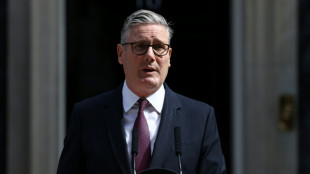
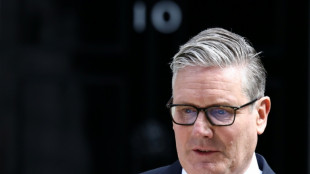
The British pound and the London stock market firmed, and the UK's benchmark 10-year bond dipped, after Britain's embattled Prime Minister Keir Starmer announced his widely expected resignation, with the country appearing set for an orderly transition to a new leader.
Internationally, the main focus remained firmly on the Middle East and the prospects for a reopening of the Strait of Hormuz to tanker and cargo traffic.
Iran's senior envoys left talks in Switzerland on Monday after a marathon negotiating session with the United States, state media reported, as mediators claimed progress towards a definitive US-Iran deal end the war in the Gulf.
"The latest developments out of the Middle East have turned more constructive," said Deutsche Bank analyst Jim Reid, adding that a pickup in oil flows through the Strait of Hormuz was "helping to calm markets".
Switzerland said conditions were set for further US-Iran talks that aim to secure a long-term settlement within 60 days.
Last week, Tehran and Washington signed a memorandum of understanding laying the groundwork for the negotiations, after a 40-day war that was followed by weeks of an inconclusive and oft-breached ceasefire.
The negotiators aim to tackle some of the most intractable issues that have dogged US-Iranian relations for decades, including Tehran's nuclear programme and enriched uranium.
- UK shakeup -
In Britain, Starmer's departure could mean a change of finance minister and increased public spending, a prospect that has alarmed investors concerned about the country's debt levels.
Rachel Reeves has been finance minister since Labour returned to power nearly two years ago, having overseen some controversial choices regarding state spending and taxes that contributed to Starmer's demise.
Veteran Labour politician Andy Burnham, who secured a return to parliament just last week, appeared poised to succeed Starmer after a would-be rival, Wes Streeting, offered him his support.
Starmer will remain prime minister until late this year when labour elects a new leader, who would become the country's seventh prime minister in a decade.
"The pound has taken the news in stride, although Burnham's preference for fiscal expansion, higher taxes and greater gilt issuance is a concern," said Enrique Diaz-Alvarez, chief economist at the financial services firm Ebury.
"The critical question is who becomes chancellor" of the exchequer.," he said.
"Continuity with Reeves would be the market's preferred outcome, but any indication that a new chancellor intends to loosen or abandon the existing fiscal rules could trigger fresh selling in UK assets."
- Key figures around 1100 GMT -
Brent North Sea Crude: DOWN 1.6 percent at $79.28 a barrel
West Texas Intermediate: DOWN 0.7 percent at $75.35 a barrel
London - FTSE 100: UP 0.2 percent at 10,386.20 points
Paris - CAC 40: DOWN 0.7 percent at 8,358.87
Frankfurt - DAX: DOWN 0.3 percent at 24,918.67
Tokyo - Nikkei 225: UP 1.6 percent at 72,353.96 (close)
Hong Kong - Hang Seng Index: DOWN 0.7 percent at 23,768.52 (close)
Shanghai - Composite: UP 1.8 percent at 4,163.10 (close)
Seoul - Kospi: UP 0.7 percent at 9,114.55 (close)
Pound/dollar: UP at $1.3240 from $1.3218
Euro/dollar: DOWN at $1.1461 from $1.1464 on Friday
Dollar/yen: UP at 161.72 yen from 161.27 yen
Euro/pound: DOWN at 86.55 pence from 86.73 pence
burs-bcp/js
C.Arora--MT