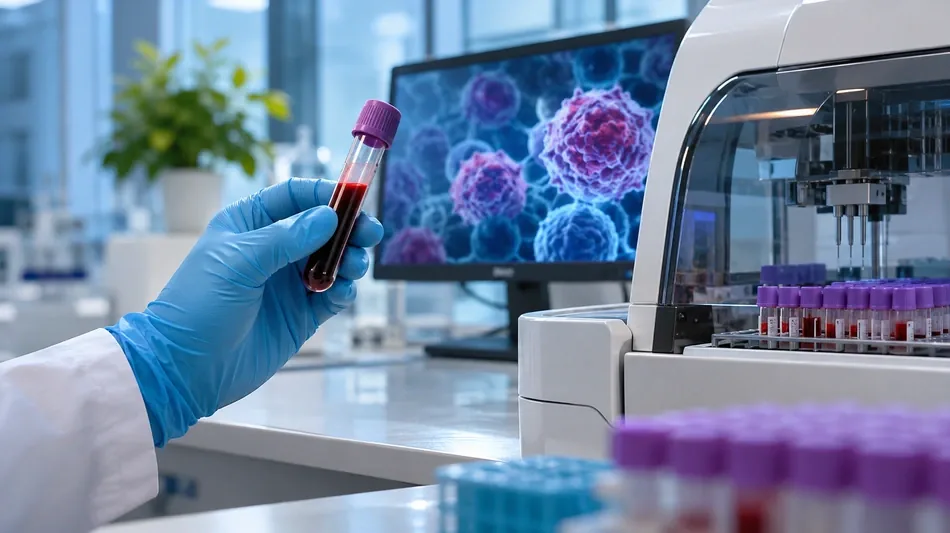
NHS to test blood screening designed to detect 13 cancers earlier

More than 20,000 NHS patients across England are to be offered pioneering blood tests that could help doctors identify 13 different types of cancer at an earlier stage, potentially improving patients’ chances of successful treatment. The £8.
More than 20,000 NHS patients across England are to be offered pioneering blood tests that could help doctors identify 13 different types of cancer at an earlier stage, potentially improving patients’ chances of successful treatment. The £8.5million Government-funded trial will take place at around 200 GP surgeries and will investigate whether a simple blood sample can help detect cancers that are often difficult to diagnose. Researchers hope the technology could make a significant difference for patients experiencing symptoms such as persistent bloating, abdominal discomfort or unexplained pain, which can sometimes be mistaken for less serious conditions.
The study, called STRIDE-RCT, is being led by the University of Birmingham and will involve patients aged 45 and over who attend their GP with symptoms that may indicate cancer. The tests will look for signs of 13 different cancers, including bowel, pancreatic, ovarian, stomach, liver, kidney, bladder and prostate cancer.
Other cancers being investigated include those affecting the small bowel, oesophagus, bile ducts, gallbladder and lining of the womb. Three different blood-testing technologies will be evaluated to establish how accurately they identify possible cancer and whether they can help GPs decide which patients need urgent further investigations.
Some of the tests detect tiny fragments of DNA released into the bloodstream by tumours, while others examine proteins associated with cancer. Artificial intelligence may also be used to help analyse the results. Most participants will only need to provide one or two tubes of blood during a routine GP appointment, alongside any other tests recommended by their doctor.
The research is particularly important because several cancers affecting the abdomen can develop without obvious symptoms until the disease has reached a more advanced stage. Approximately 71,000 people in England are diagnosed with pancreatic, stomach, liver, ovarian or bowel cancer each year, with almost 35,000 deaths annually from these diseases.
Early diagnosis can dramatically improve survival prospects. Around nine in ten people diagnosed with bowel cancer at stage one survive for at least five years, compared with approximately one in ten diagnosed at stage four. However, scientists have emphasised that the new blood tests will not provide a definitive cancer diagnosis.
A positive result would require further investigation, while a negative result would not necessarily rule out cancer. The trial will also examine whether the technology could help reduce unnecessary hospital referrals while ensuring patients with potentially serious conditions receive investigations promptly.
NHS England’s national clinical director for cancer, Professor Peter Johnson, has highlighted the difficulties doctors face in identifying abdominal cancers because their symptoms can resemble those of much less serious illnesses. The research follows an earlier NHS trial involving more than 142,000 volunteers who underwent testing using a different multi-cancer blood test called Galleri.
Although that study produced some encouraging findings, it did not achieve its main objective of reducing the overall number of cancers diagnosed at stages three and four. Researchers will now assess whether testing patients who already have symptoms can provide more useful information for doctors.
The University of Birmingham study is scheduled to continue until October 2031, with its findings helping to determine whether the technology could eventually become more widely available across the NHS. It has not yet been confirmed which GP practices in Worcestershire, Warwickshire or the wider West Midlands will participate.
Patients concerned about persistent or unexplained symptoms are advised to contact their GP rather than wait for the new tests to become available.
J.Srivastava--MT