5 Wardrobe Design Trends Making Sydney Bedrooms Work Harder in 2026

Sydney homeowners are increasingly turning to custom wardrobe designs in 2026 to maximize space and style. Key trends include seamless built-ins, strategic open shelving, dedicated accessory storage, multi-functional workspaces, and warm, textured finishes that transform bedrooms into highly efficient living areas.
Home furnishing in Sydney has evolved significantly, with modern homeowners prioritizing furniture that combines aesthetic appeal with practical utility. The bedroom wardrobe, once a standard freestanding unit defined by basic hanging rails and shelves, is now a focal point of interior design. Custom wardrobe design allows residents to tailor storage solutions to specific bedroom dimensions, personal tastes, and the unique requirements of their belongings.
As homeowners navigate renovation or new-build projects, five distinct wardrobe trends are emerging in 2026 that aim to make bedrooms work harder while maintaining visual harmony.
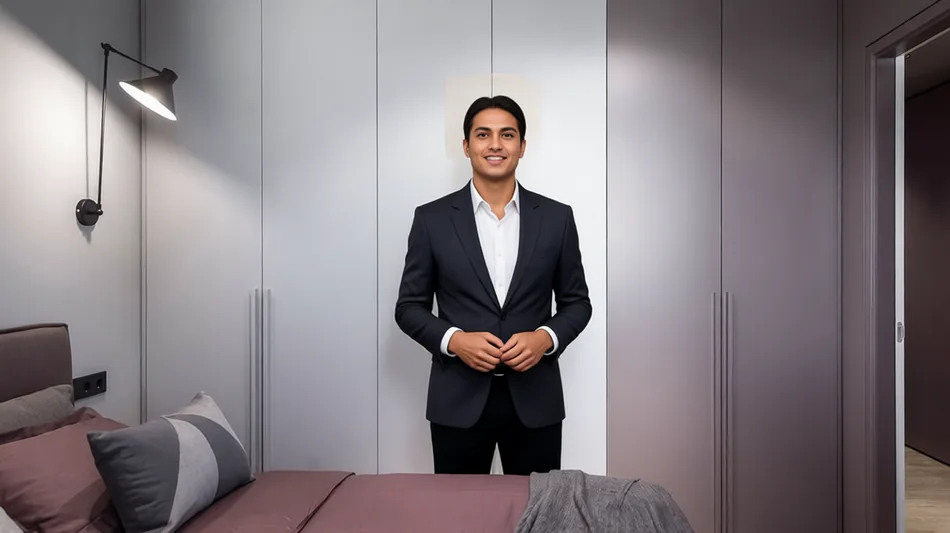
The first major shift is the integration of wardrobes into the architecture of the bedroom itself. Rather than appearing as separate furniture pieces, modern built-ins are designed to complement walls, flooring, and existing furnishings. This approach often involves selecting wardrobe doors in shades that match the bedroom walls, utilizing slim handles to minimize visual clutter, or extending cabinetry to the ceiling for a consistent finish.
Door selection plays a critical role in this integration. Sliding doors are recommended for rooms with limited clearance, while hinged doors offer wider access where space permits. The choice of hardware also impacts both function and appearance. For those considering mirrored panels, using mirrors on only one door can provide dressing utility without overwhelming the room with reflective surfaces.
Secondly, there is a growing preference for open shelving within wardrobe designs. This trend challenges the notion that all storage must be concealed behind closed doors. Open sections are ideal for displaying frequently used items such as handbags, everyday shoes, neatly folded jumpers, and accessories. In walk-in wardrobes or dressing areas, these spaces can also house decorative items like framed photographs or ornaments.
Lighting enhances the functionality of open shelving. Discreet LED strips fitted beneath shelves illuminate belongings while adding warmth to the space. Sensor-operated lights are another practical addition for darker compartments, allowing users to locate items without turning on the main bedroom light. However, because open shelves collect dust, this design element is best suited to items that owners are willing to clean and organize regularly.
Third, dedicated accessory storage is becoming a priority in custom designs. Small belongings often complicate wardrobe organization; belts tangle, jewelry mixes, and shoes accumulate at the bottom of cupboards. To address this, designers are incorporating specialized fittings for belts, jewelry, and shoes based on the owner’s specific inventory. Homeowners are advised to start with the items they use most often and consult local Sydney wardrobe specialists to identify fittings that suit their space without incurring unnecessary costs.
Fourth, the rise of hybrid and remote work has influenced bedroom layouts. With fewer spare bedrooms available for dedicated studies, compact workspaces built into existing cabinetry have become an appealing alternative. In suitable alcoves, designers can integrate small desks, shelves, and storage into the same joinery as the wardrobe. In some configurations, this workspace sits behind cupboard doors, allowing it to be concealed at the end of the working day.
This solution is particularly valuable in apartments and townhouses where rooms must serve multiple purposes. However, implementing a workspace requires careful planning to ensure there is enough room for a comfortable chair, proper lighting, electrical outlets, and ventilation. Users must also account for movement space to avoid blocking wardrobe access. Consulting an experienced designer is essential to assess layout possibilities and suggest practical options.
Finally, the fifth trend involves a departure from the long-dominant all-white wardrobe. While white remains a practical choice, many Sydney homeowners are seeking warmer, more personal finishes. Timber-look surfaces in oak, walnut, and honey tones are popular for bringing natural warmth to a bedroom. Soft taupe, stone, warm grey, and muted green are also appealing options for those who prefer color without making a dramatic statement.
For added detail, fluted or lightly textured panels on selected wardrobe doors can introduce subtle depth and interest, particularly across wide runs of cabinetry. Designers note that homeowners need not follow every new color trend; instead, they should choose finishes they will enjoy looking at for years to come. The exterior of the wardrobe can also reflect the owner’s personal style and the colors they enjoy wearing.
Despite these aesthetic trends, core functionality remains paramount. A successful wardrobe must provide comfortable access, sufficient hanging space, sensible shelving, and materials suited to everyday use. For new builds or major renovations, discussing wardrobe requirements early with designers or builders is crucial to account for ceiling heights, door clearance, and electrical provisions before the layout is finalized.
For existing bedrooms, local wardrobe design specialists can help homeowners determine which trends genuinely suit their space and budget. The article notes that it is paid content and advises readers to independently verify information before making decisions.
F.Patel--MT